
Understand color theory, typography, spacing, and grid systems before trying to break them.
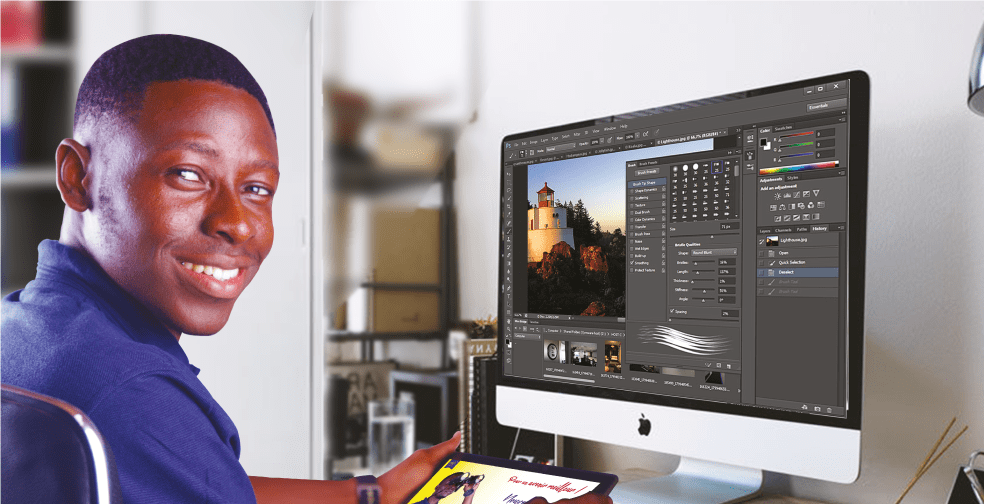
Focus on mastering one or two tools (e.g., Photoshop, Illustrator, Figma) rather than being overwhelmed by many options.
Recreate designs you admire pixel-by-pixel to understand their structure.
Use sites to generate fake briefs to practice applying skills to real-world constraints.
Curate your best work, highlighting projects that show your range and depth.
Actively participate in design communities (e.g., Reddit, Discord, LinkedIn) to get critiques.
Avoid adhering to one style; experiment with new techniques to broaden your skills.
Utilize shortcuts, create templates, and improve your workflow to increase speed.
Transition from a generalist to a specialist (e.g., UI/UX, Motion Graphics, Branding) to establish authority.
Understand that design solves business problems, not just aesthetic ones.
Build your presence, share your work, and teach others to gain recognition.
Learn how to communicate design decisions, manage revisions, and handle contracts effectively.